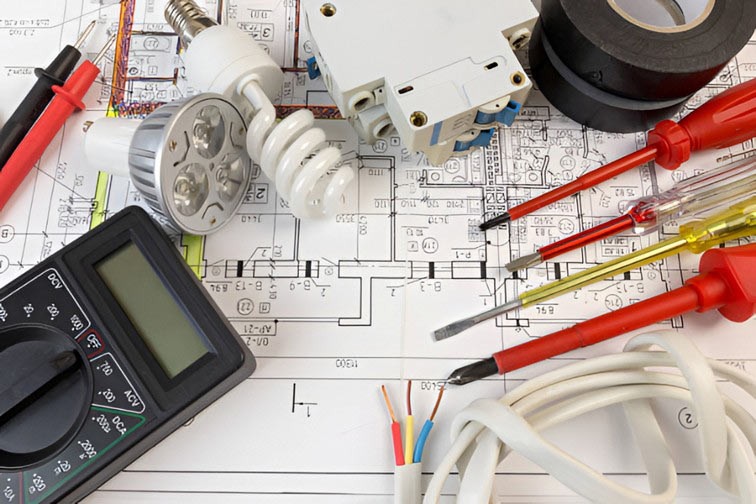
Rising energy demands are placing greater strain on everyday electrical systems, making efficiency a priority for both homes and businesses. Small changes in how power is managed can lead to steady savings without affecting performance or comfort. At Involve Electrical, we deliver tailored electrical upgrades that reduce waste and support reliable energy use. From lighting improvements to system upgrades, each solution is designed to lower consumption while maintaining safety and compliance across modern properties.
Table of Contents
- Key Takeaways
- Why Energy Efficiency Matters More Than Ever
- Upgrade Your Insulation for Year-Round Comfort
- Switch to Energy-Efficient Appliances
- Replace Old Lighting with LED Solutions
- Install Solar Panels for Long-Term Savings
- Improve Heating and Cooling Efficiency
- Upgrade Your Windows and Window Coverings
- Switch to an Efficient Hot Water System
- Use Smart Technology to Control Energy Usage
- Improve Ventilation for Natural Cooling
- Adopt Energy-Saving Habits
- Common Mistakes That Increase Electricity Costs
- Conclusion
- FAQs:
Key Takeaways
- LED lighting reduces energy use immediately
- Modern switchboards improve efficiency and safety
- Smart controls minimise unnecessary power use
- Energy-efficient appliances lower long-term costs
- Professional installation ensures compliance and performance
Why Energy Efficiency Matters More Than Ever
Electricity is no longer a minor expense. It is a recurring operational cost that compounds over time. According to the research, energy consumption in homes continues to rise due to increased use of appliances.
Without efficient systems in place:
- Energy waste goes unnoticed
- Bills increase without a clear reason
- Older infrastructure struggles to keep up
- Energy-saving upgrades address these issues at the source.
There are plenty of practical upgrades you can make to cut down your power bills without sacrificing comfort. In many cases, a switchboard upgrade plays a critical role in improving efficiency, allowing your electrical system to handle modern energy demands safely while reducing unnecessary power loss. Whether you own your home or are planning long-term improvements, these energy-saving upgrades can make a serious difference.
Upgrade Your Insulation for Year-Round Comfort
One of the most effective ways to reduce energy use is to improve your home’s insulation. A well-insulated house stays cooler in summer and warmer in winter, meaning you won’t have to rely as heavily on heating and cooling systems.
- Install high-quality ceiling insulation with the right R-value for your region
- Add wall insulation, especially in older homes that lack proper coverage
- Consider underfloor insulation if you have raised flooring
- Seal gaps around doors, windows, and vents to prevent air leakage
By keeping indoor temperatures stable, insulation can significantly reduce your reliance on energy-hungry appliances.
Switch to Energy-Efficient Appliances
Old appliances can quietly drain electricity and push up your bills. Upgrading to energy-efficient models is a smart move that pays off over time.
- Choose appliances with high energy star ratings
- Replace older fridges, washing machines, and dishwashers
- Invest in inverter air conditioners for better efficiency
- Opt for induction cooktops instead of traditional electric ones
While the upfront cost might seem steep, the long-term savings are well worth it.
Replace Old Lighting with LED Solutions
Lighting might not seem like a major expense, but outdated bulbs can waste a surprising amount of energy. Switching to LED lighting is one of the quickest and easiest upgrades you can make, especially when supported by professional LED installations to ensure optimal performance and efficiency.
- Replace incandescent and halogen bulbs with LEDs
- Install motion sensors in outdoor areas or hallways
- Use dimmer switches to control brightness
- Maximise natural daylight wherever possible
LEDs use far less electricity and last much longer, making them a cost-effective solution.
Install Solar Panels for Long-Term Savings
Australia’s abundant sunshine makes solar energy an obvious choice for homeowners. Installing solar panels can dramatically cut your electricity bills and reduce your reliance on the grid.
- Install rooftop solar panels to generate your own power
- Add a solar battery to store unused energy
- Feed excess electricity back into the grid for credits
- Take advantage of government rebates and incentives
Although installation costs can be high, solar systems often pay for themselves within a few years.
Improve Heating and Cooling Efficiency
Heating and cooling typically account for the biggest chunk of household energy use. Upgrading these systems can deliver major savings.
- Replace outdated units with energy-efficient split systems
- Use ceiling fans to support your air conditioning
- Install a smart or programmable thermostat
- Service your systems regularly to maintain performance
Even small efficiency improvements can lead to noticeable reductions in your power bill.
Upgrade Your Windows and Window Coverings
Windows can be a major source of heat gain and loss, especially in older homes. Improving your windows can boost your home’s energy efficiency significantly.
- Install double-glazed windows for better insulation
- Apply window films to reduce heat entry
- Use thermal curtains or blinds
- Seal window frames to stop drafts
These upgrades help maintain indoor temperatures and reduce the need for artificial heating or cooling.
Switch to an Efficient Hot Water System
Hot water systems are another major contributor to electricity use. Upgrading to a more efficient option can cut costs without affecting your daily routine.
- Install a solar hot water system
- Consider a heat pump water heater
- Insulate your hot water tank and pipes
- Set the thermostat to around 60°C for efficiency
An energy-efficient hot water system can deliver noticeable savings over time.
Use Smart Technology to Control Energy Usage
Smart home technology is becoming increasingly popular in Australia, and it’s a great way to keep your energy use in check.
- Install smart plugs to control appliances remotely
- Use energy monitoring systems to track consumption
- Automate lighting and temperature settings
- Schedule appliances to run during off-peak hours
These tools give you better control over your electricity usage and help avoid unnecessary waste.
Improve Ventilation for Natural Cooling
Good ventilation reduces the need for air conditioning by allowing fresh air to circulate throughout your home.
- Install roof vents or whirlybirds
- Use exhaust fans in kitchens and bathrooms
- Encourage cross-ventilation by opening windows strategically
- Keep vents clean and unobstructed
Natural airflow can make a big difference, especially during warmer months.
Adopt Energy-Saving Habits
While upgrades are important, combining them with smart habits can maximise your savings even further.
- Turn off appliances at the wall instead of leaving them on standby
- Wash clothes in cold water whenever possible
- Only run dishwashers and washing machines with full loads
- Shift energy use to off-peak times if your tariff allows
Simple behavioural changes can complement your upgrades and reduce your overall energy consumption.
Common Mistakes That Increase Electricity Costs
Avoid these common issues:
- Relying on outdated electrical systems
- Ignoring standby power usage
- Installing incorrect appliance sizes
- Delaying necessary upgrades
- Overlooking professional advice
Each of these can lead to ongoing inefficiencies.
Conclusion
Reducing electricity costs requires more than minor adjustments. It requires a structured approach to how energy is used, distributed, and controlled. From lighting upgrades to switchboard improvements, each step contributes to long-term savings and improved reliability. If you are ready to take control of your energy usage, contact us. Our team delivers practical electrical solutions designed to reduce costs, improve safety, and support efficient day-to-day operation.
FAQs:
What is the most effective way to reduce electricity bills?
Upgrading to LED lighting and improving appliance efficiency are among the most effective steps.
Do switchboard upgrades help save energy?
Yes. They improve power distribution and reduce inefficiencies caused by outdated systems.
Are smart switches worth installing?
They help control energy usage and reduce unnecessary consumption, especially for lighting and appliances.
How often should electrical systems be inspected?
Regular inspections are recommended every few years or when issues arise.
Do ceiling fans reduce electricity usage?
Yes. They provide airflow using significantly less energy than air conditioning systems.
Can small upgrades make a noticeable difference?
Yes. Even minor improvements, when combined, can lead to measurable savings over time.