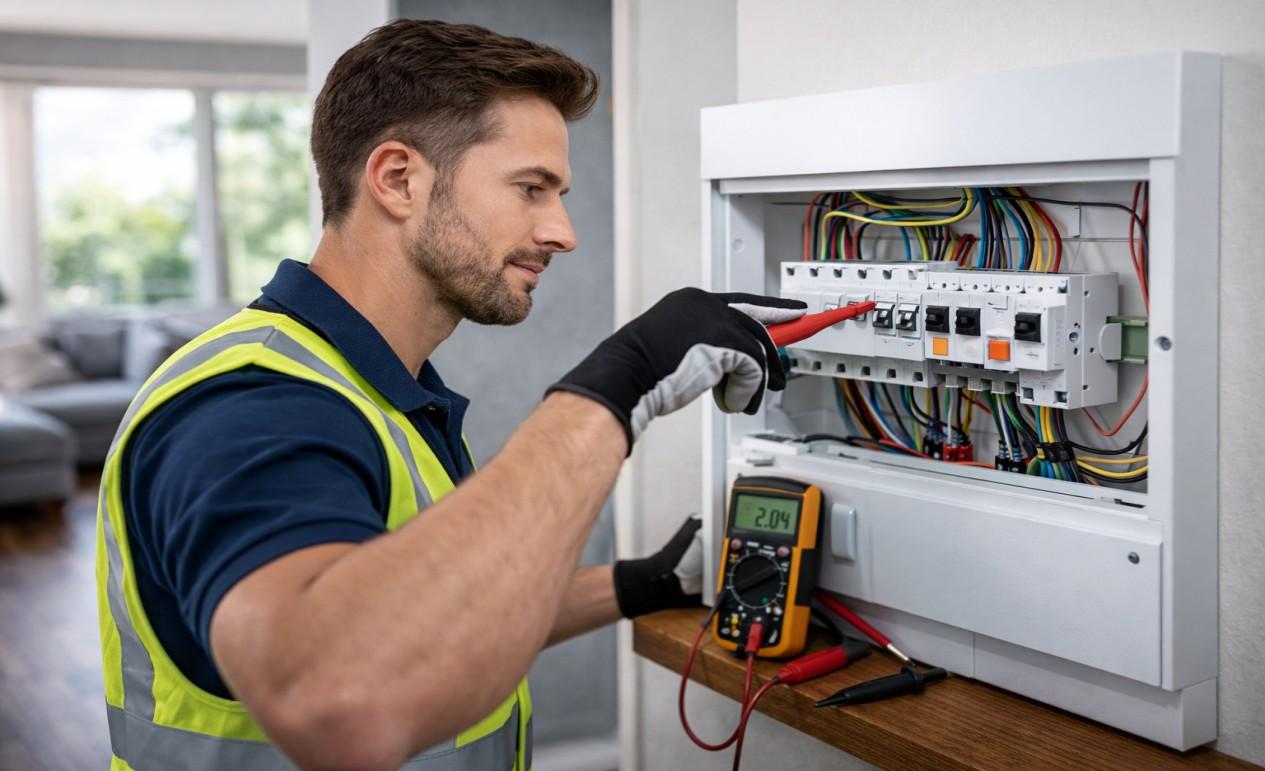
Electrical safety is no longer a background concern; it is a core part of modern living. At Involve Electrical, safety planning for 2026 means understanding how homes are changing, how electrical loads are increasing, and how small oversights can carry serious consequences. From switchboards to smart devices, this checklist highlights the essential electrical checks every household should prioritise to reduce risk, maintain compliance, and protect people and property.
Table of Contents
- Why Electrical Safety Matters More in 2026
- The 2026 Home Electrical Safety Checklist
- 1 . Switchboard Capacity and Protection
- 2. Wiring Condition and Age
- 3. Power Point and Switch Safety
- 4. Smoke Alarms and Electrical Integration
- 5. Appliance Load and Circuit Balance
- 6. Outdoor and Wet-Area Safety
- 7. Solar and Battery System Inspection
- 8. Compliance with Current Standards
- Common Electrical Safety Mistakes to Avoid
- Conclusion
- FAQs
Key Takeaways
- Electrical loads continue to increase in modern homes
- Ageing infrastructure raises safety risks
- RCD protection remains essential
- Regular inspections prevent costly faults
- Compliance supports safety and insurance protection
Why Electrical Safety Matters More in 2026
- Homes are drawing more power than ever before. Electric vehicles, induction cooktops, solar systems, battery storage, and smart home technology are no longer niche upgrades. These additions place greater demand on wiring, switchboards, and protective devices.
- According to Energy Safe Victoria, electrical faults remain a leading cause of residential fires in Australia. Many incidents trace back to ageing infrastructure or installations that no longer align with current usage patterns.
- Electrical safety extends beyond fault prevention. It focuses on ensuring systems remain suitable, compliant, and reliable as household demands continue to evolve.
The 2026 Home Electrical Safety Checklist
1 . Switchboard Capacity and Protection
Many older switchboards were not designed to support the electrical demands of modern households. Increased appliance usage, renewable energy systems, and electric vehicle charging place additional strain on outdated equipment. A thorough safety review should confirm:
- Presence of Residual Current Devices (RCDs) on all final sub-circuits to reduce electric shock risk.
- Adequate circuit separation to prevent overloads and improve fault isolation.
- Clear and accurate labelling to allow safe identification of circuits during maintenance or emergencies.
- No visible signs of overheating, corrosion, or loose connections that may indicate developing faults.
2. Wiring Condition and Age
Electrical wiring degrades gradually and often remains out of sight, allowing issues to develop unnoticed. Insulation breakdown, rodent damage, and ongoing thermal stress can compromise safety over time.
Common warning indicators include:
- Frequent circuit tripping, which may signal overloads or deteriorating wiring.
- Flickering lights caused by loose connections or voltage instability.
- Warm power points indicate excess resistance or poor connections.
- Discoloured switches suggesting heat exposure or internal damage.
3. Power Point and Switch Safety
Power points and switches are subject to continuous daily use and physical wear. Damage or deterioration increases the likelihood of electrical shock and fire hazards.
Checklist items include:
- Secure wall mounting to prevent movement and internal strain on wiring.
- Absence of scorch marks or melting, which may indicate overheating.
- Child-resistant outlets in family homes to reduce accidental contact.
- Correct ratings for high-load appliances to prevent excessive current draw.
4. Smoke Alarms and Electrical Integration
Smoke alarms provide reliable protection only when correctly installed, powered, and maintained. Hard-wired systems require regular checks to ensure full functionality.
Key areas to assess include:
- An interconnection between rooms so that alarms activate simultaneously throughout the home.
- Functional backup batteries to maintain operation during power outages.
- Compliance with current state legislation governing installation and placement.
5. Appliance Load and Circuit Balance
Sustained overloads place excess heat stress on cables and connections, increasing the risk of failure. Appliances with high power demand should be reviewed to ensure safe operation.
Assessment should confirm:
- Dedicated circuits for high-load appliances to avoid shared demand.
- Correct cable sizing to match current requirements.
- Proper isolation switches for safe servicing and emergency shutdown.
This is particularly important for:
- Electric vehicle charging equipment
- Air conditioning systems
- Electric hot water units
6. Outdoor and Wet-Area Safety
Outdoor electrical equipment is exposed to moisture, temperature variation, and physical impact. These conditions increase the risk of electrical faults if installations are not adequately protected.
Essential checks include:
- Weather-rated fittings designed for external environments.
- Functional RCD protection to minimise shock risk.
- Secure conduit and cabling to prevent physical damage.
- Safe clearances from water sources in accordance with regulations.
7. Solar and Battery System Inspection
Solar and battery systems operate continuously and require periodic review to ensure ongoing safety and performance. Components exposed to weather and heat require particular attention.
Inspection areas include:
- DC isolators are operating correctly and free from damage.
- Adequate inverter ventilation to prevent overheating.
- Secure mounting of panels and equipment to withstand environmental conditions.
- Cabling integrity, including protection from UV exposure and mechanical wear.
8. Compliance with Current Standards
Electrical standards are regularly updated to reflect improved safety practices. Systems installed years ago may no longer align with current AS/NZS requirements.
A licensed inspection assists in confirming:
- Compliance with AS/NZS 3000 wiring rules.
- Accuracy and availability of electrical documentation.
- Adequate coverage of modern safety devices throughout the installation.
Common Electrical Safety Mistakes to Avoid
- Using power boards as permanent solutions can lead to overloaded circuits, increased heat buildup, and a higher risk of electrical faults when multiple appliances are connected long term.
- Ignoring repeated circuit trips, as frequent tripping often indicates underlying issues such as overloaded circuits, faulty appliances, or deteriorating wiring.
- Delaying switchboard upgrades, leaving older systems unable to safely manage modern electrical loads or provide adequate protective devices.
- Using damaged extension leads, including cords with exposed wiring, loose plugs, or cracked insulation that significantly increase shock and fire hazards.
- Skipping licensed inspections, allowing minor issues to remain undetected until escalation into serious safety or compliance problems.
Each oversight increases risk over time and reduces the overall safety of the electrical system.
Conclusion
Electrical safety planning is an investment in long-term protection, not a reactive measure. In 2026, households benefit most from proactive reviews, informed upgrades, and licensed expertise. Involve Electrical provides professional assessments and compliant solutions designed to meet modern demands. For advice, inspections, or upgrade planning, contact us and ensure electrical systems remain safe, efficient, and future-ready.
FAQs
How often should a home electrical inspection be completed?
A residential electrical inspection is typically recommended every five years. Inspections may be required sooner following renovations or the installation of major electrical appliances.
Are RCDs mandatory in all Australian homes?
Yes. Australian electrical regulations require Residual Current Devices (RCDs) on all residential final sub-circuits to reduce the risk of electric shock.
Can older homes meet modern safety standards?
Yes. Older properties can meet current electrical safety standards through appropriate upgrades such as switchboard replacement, rewiring, and the installation of modern protective devices.
Do solar systems increase electrical risk?
Solar systems do not inherently increase risk when installed and maintained correctly. Certified installations supported by routine inspections are considered safe and compliant.
Is electrical safety linked to insurance coverage?
Yes. Electrical installations that do not meet compliance requirements may affect insurance coverage and lead to rejected claims following an incident.
What are the early signs of electrical failure?
Common warning signs include burning odours, buzzing sounds, warm fittings, flickering lights, and unexplained power interruptions.