Electrical systems quietly support nearly every activity in a home. Lighting, appliances, heating, security systems, and internet equipment all depend on a reliable power network. Over time, however, wiring, switchboards, and electrical components can deteriorate or fall behind modern safety standards. At Involve Electrical, professional inspections help identify hidden electrical risks before they cause serious problems. Regular electrical safety checks protect households, improve energy efficiency, and ensure compliance with Australian electrical regulations.
Table of Contents
- Key Takeaways
- Common Electrical Issues Found During Inspections
- 1. Frequent Tripping
- 2. Breakers Won’t Reset
- 3. Burning Smell or Scorch Marks
- 4. Flickering or Dimming Lights
- 5. Age of the Circuit Breaker
- 6. Unusual Noises
- 7. Corrosion or Moisture Exposure
- The Benefits of Regular Electrical Inspections
- 1. Improved Household Safety
- 2. Protection for Electrical Appliances
- 3. Better Energy Efficiency
- When Should a Home Have an Electrical Inspection?
- Why a Failing Circuit Breaker is Dangerous
- What to Do if You Suspect a Failing Breaker
- Preventative Measures
- Why Professional Electricians Matter
- Conclusion
- FAQs:
Key Takeaways
- Electrical inspections help detect faults before they become hazards
- Modern switchboards improve safety and reliability
- Regular checks support energy efficiency and appliance protection
- Older wiring systems may require upgrades to meet current standards
- Professional electricians ensure compliance with Australian safety guidelines
Common Electrical Issues Found During Inspections
Professional inspections often reveal hidden problems that homeowners may not notice. Knowing what to watch for is key to keeping your property safe. Here’s a guide to the common signs your circuit breaker may be failing, along with tips on what to do next.
1. Frequent Tripping
One of the most obvious signs of a failing breaker is frequent tripping. A circuit breaker is designed to trip occasionally when a circuit is overloaded, which is normal. However, if it trips repeatedly without a clear reason, this may indicate a problem.
- Normal Tripping: Happens when too many devices are running on the same circuit.
- Problematic Tripping: Occurs even when only a few devices are in use, signalling the breaker may be worn out or faulty.
- Action: Consult a licensed electrician to assess the circuit and replace the breaker if needed. Frequent tripping should never be ignored, as it may indicate a risk of overheating or fire.
2. Breakers Won’t Reset
After a breaker trips, it should be easy to reset by flipping the switch. If a breaker refuses to reset or immediately trips again, it could be a sign of a failing breaker or a serious electrical fault.
- Persistent Trips: Could indicate the breaker is worn out internally.
- Underlying Issues: May also point to damaged wiring, faulty outlets, or short circuits.
- Action: Avoid repeatedly forcing the breaker to reset; this can worsen the problem. Call a qualified electrician to inspect the breaker and the associated wiring.
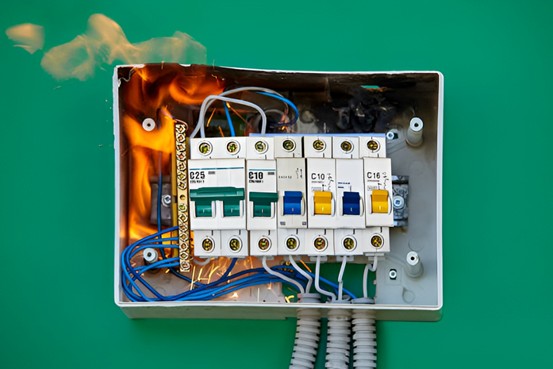
3. Burning Smell or Scorch Marks
A burning odour or visible scorch marks around your circuit breaker is a serious warning. These signs suggest overheating, which can lead to electrical fires if not addressed immediately.
- Possible Causes: Loose connections, internal breaker damage, or overloaded circuits.
- What to Do: Shut off power at the main breaker and contact an electrician immediately. Never attempt to fix these issues yourself, as electricity is extremely hazardous.
4. Flickering or Dimming Lights
Flickering or dimming lights in your home or workplace can indicate that a circuit breaker isn’t delivering consistent power. While light flickering can sometimes be caused by loose bulbs or faulty fittings, persistent issues may point to breaker problems. Home safety inspections identify exactly these kinds of underlying electrical faults.
- Frequent Dimming: Especially when appliances turn on or off.
- Flickering in Multiple Rooms: Could indicate a main breaker issue or a failing subpanel breaker.
- Action: Have a licensed electrician investigate to ensure your electrical system is safe. Unstable voltage can damage sensitive electronics.
5. Age of the Circuit Breaker
Circuit breakers don’t last forever. Most are designed to function reliably for 10–20 years, depending on usage and quality. Older breakers are more prone to wear and failure.
- Signs of Ageing: Loose switches, difficulty in resetting, and frequent tripping.
- Preventative Replacement: If your electrical panel is more than 15–20 years old, consider having an electrician inspect and possibly upgrade your breakers.
- Peace of Mind: Modern breakers are more reliable and provide better protection against overloads and short circuits.
6. Unusual Noises
Clicking, buzzing, or humming sounds coming from your breaker panel are often overlooked but can indicate trouble.
- Buzzing or Humming: May signal an overloaded circuit or failing breaker.
- Clicking Sounds: Frequent tripping or internal arcing within the breaker.
- Action: Any unusual sound from your breaker panel warrants an immediate inspection. Electrical issues can escalate quickly, and early detection is essential for safety.
7. Corrosion or Moisture Exposure
Circuit breakers exposed to moisture or showing signs of corrosion can malfunction. Humidity, leaks, or flooding near the breaker panel increases the risk of electrical shorts.
- Visible Corrosion: Green or white deposits on connections.
- Moisture Exposure: Damp basements or panels installed outdoors without proper sealing.
- Action: Keep panels dry and call a professional to inspect and replace any affected breakers. Moisture-related damage can lead to shorts and fires if ignored.
The Benefits of Regular Electrical Inspections
Electrical inspections provide more than just fault detection. They also support long-term safety and system efficiency.
1. Improved Household Safety
Professional inspections reduce the risk of electrical accidents.
Electricians examine components such as:
- Wiring systems
- Switchboards
- Safety switches
- Lighting circuits
When faults are identified early, repairs can prevent more serious hazards.
2. Protection for Electrical Appliances
Voltage irregularities and unstable circuits can damage appliances. Regular electrical safety checks ensure the electrical supply remains stable and safe.
Homeowners investing in electrical upgrades often consult services to ensure their systems are operating correctly.
3. Better Energy Efficiency
Electrical inefficiencies can increase power consumption without homeowners realising it. Electrical assessments help identify opportunities for improved energy efficiency. The study highlights the importance of energy-efficient electrical systems in reducing household electricity costs.
Upgrading lighting, wiring, or switchboards can significantly improve energy performance.
When Should a Home Have an Electrical Inspection?
While there is no single rule for inspection frequency, several situations make an inspection particularly important.
Homeowners should consider an inspection when:
- Purchasing a property
- Renovating or extending a home
- Installing new electrical appliances
- Experiencing frequent electrical issues
- Living in a property older than 20 years
Why a Failing Circuit Breaker is Dangerous
A failing circuit breaker is more than just an inconvenience. Its primary role is to prevent electrical overloads and protect your home from fire hazards. Ignoring signs of failure can lead to:
- Electrical Fires: Overloaded or faulty circuits can ignite insulation and other materials.
- Appliance Damage: Inconsistent voltage can ruin sensitive electronics and appliances.
- Power Outages: A failing breaker may cut off electricity to key areas or entire buildings unexpectedly.
- Safety Hazards: Sparks, arcing, and overheating pose direct risks to anyone nearby.
What to Do if You Suspect a Failing Breaker
If you notice any of the warning signs mentioned, it’s crucial to act quickly.
- Turn Off the Main Breaker If Needed: This prevents further electrical damage.
- Avoid DIY Fixes: Circuit breaker panels carry high voltage and require professional handling.
- Call a Licensed Electrician: They can safely test the breaker, identify the root cause, and replace or repair components as necessary.
- Schedule Regular Inspections: Even if no immediate issues are present, periodic maintenance helps prevent sudden failures and ensures your electrical system is safe and reliable.
Preventative Measures
Taking proactive steps can extend the life of your circuit breakers and reduce the risk of sudden failure.
- Avoid Overloading Circuits: Spread out high-power and energy-efficient appliances across multiple circuits to maintain balanced electrical loads.
- Install Surge Protectors: Protect sensitive electronics from voltage spikes.
- Keep Panels Dry and Clean: Regularly inspect for moisture, dust, or corrosion.
- Upgrade Old Panels: Modern breakers offer better protection and reliability.
Why Professional Electricians Matter
Electrical work requires specialised training and certification.
Attempting DIY electrical repairs can create serious safety risks.
Licensed electricians provide:
- Safe installation practices
- Compliance with Australian regulations
- Professional fault detection
- Reliable electrical repairs
Professional electrical contractors also ensure that systems meet the latest safety standards.
Conclusion
Electrical safety inspections play a vital role in maintaining reliable and secure homes. From ageing wiring to overloaded circuits, hidden electrical faults can develop over time without clear warning signs. Routine inspections help identify these issues early while improving energy efficiency and protecting appliances. If your home has not had an electrical inspection recently, it may be time to schedule one. Contact us today to arrange a professional electrical safety inspection and ensure your home’s electrical system remains safe, efficient, and dependable.
FAQs:
How often should a home have an electrical safety inspection?
Most electricians recommend inspections every 5 to 10 years, or sooner for older homes or properties undergoing renovation.
What happens during an electrical inspection?
Electricians examine wiring, switchboards, safety switches, circuits, and electrical connections to identify potential hazards.
Are electrical safety inspections required when buying a house?
While not always mandatory, many property buyers request electrical inspections to ensure the home’s system is safe and compliant.
Can an inspection reduce energy bills?
Yes. Identifying inefficient electrical systems or outdated lighting can improve energy efficiency.
What are the signs of electrical problems in a home?
Common signs include flickering lights, burning smells, warm outlets, or circuit breakers that frequently trip.
Should old switchboards be replaced?
Older switchboards may lack modern safety features such as RCD protection. Upgrading them improves electrical safety.