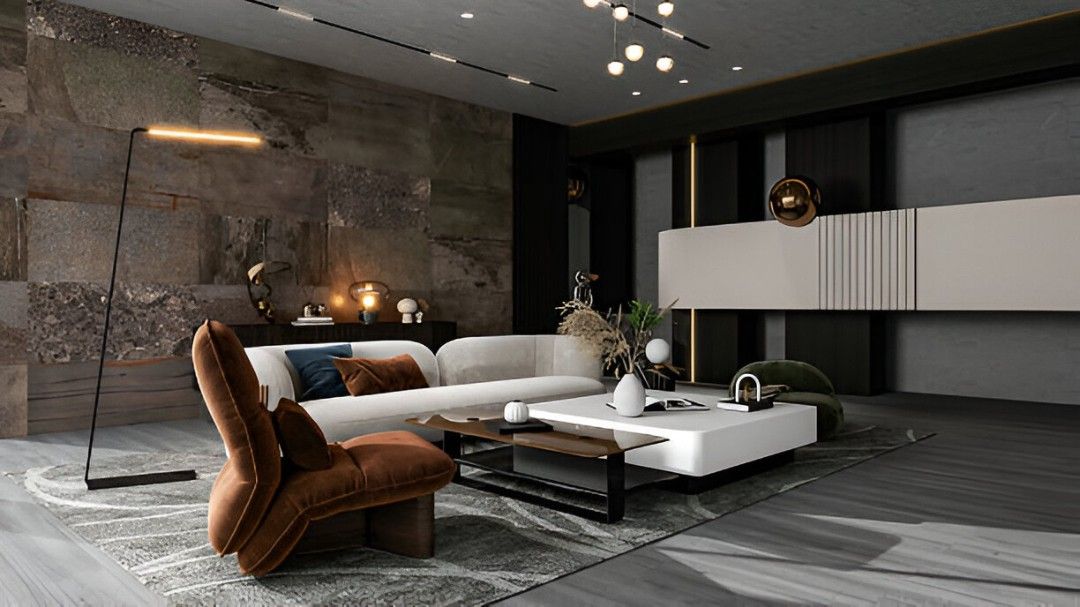
A well-designed lighting plan shapes the comfort, style, and function of a renovated space. Thoughtful placement, correct fittings, and balanced light levels ensure each room supports how you live every day. Renovations offer the perfect opportunity to rethink outdated lighting and improve energy use, ambience, and visibility. Involve Electrical provides a structured approach to help homeowners build a lighting plan that feels considered, practical, and aligned with the needs of a modern home.
Table of Contents
- Key Takeaways
- 1. Start by Understanding How Each Space Will Be Used
- 2. Learn the Three Layers of Lighting
- 3. Map Out Your Room Layouts
- 4. Choose the Right Fittings and Bulbs
- 5. Plan Your Lighting Controls
- 6. Consider Natural Light in the Overall Plan
- 7. Work with a Licensed Electrician
- Conclusion
- FAQs:
Key Takeaways
- Identify how each room is used before choosing lighting
- Combine task, ambient, and accent lighting for balanced results
- Consider energy efficiency and compliance requirements
- Work with licensed electricians for safe installation
- Keep future upgrades and technology changes in mind
When planning a renovation, whether it’s a single room refresh or a complete home makeover, lighting is one of the most important elements to get right. Good lighting enhances functionality, highlights your favourite features, and creates the overall feel of your space. Poor lighting, on the other hand, can make even the most stylish renovation look flat or impractical. During this early planning stage, it is also helpful to look for signs of rewiring, especially if your property is older, as ageing wiring can limit lighting options and pose safety concerns.
A well-considered lighting plan ensures every room is both beautiful and usable, and it helps you avoid costly changes later. Here’s how to create an effective lighting plan for your next renovation project.
1. Start by Understanding How Each Space Will Be Used
Before choosing fittings or playing with layouts, think about what you actually do in each area of your home. Lighting needs vary significantly depending on the room’s purpose.
Ask yourself:
- What activities take place here? (Cooking, reading, relaxing, working, entertaining)
- At what time of day will the room be used most?
- Do you require bright task lighting or softer ambient lighting?
- Are there any features you want to highlight, like artwork or architectural details?
For example, a kitchen requires brighter, more functional lighting, whereas a living room benefits from soft ambient light paired with adjustable task lights.
2. Learn the Three Layers of Lighting
Every effective lighting plan incorporates a combination of ambient, task, and accent lighting. Understanding these layers helps you design a balanced and flexible scheme.
Ambient Lighting
This is your general lighting source, usually overhead fittings such as downlights, pendant lights or ceiling-mounted fixtures. Ambient lighting provides the base level of illumination.
Task Lighting
Task lighting focuses brighter, more direct light on areas where specific activities occur. Think:
- Strip lighting under kitchen cabinets
- Desk lamps in studies
- Bedside lights for reading
- Vanity lighting in bathrooms
- Accent Lighting
Accent lighting adds depth and drama by highlighting features you want to draw attention to. Examples include:
- LED strips in shelving
- Spotlights aimed at the artwork
- Wall sconces to create visual interest
A well-designed renovation blends all three layers so the lighting feels natural, practical, and visually appealing.
3. Map Out Your Room Layouts
Before locking in light positions, map out each room’s floor plan. This helps you understand exactly where lighting is needed.
Include:
- Furniture placement
- Benches and work surfaces
- Movement paths
- Electrical switch and power point locations
- Windows and natural light direction
Position your lighting so it works with the room rather than against it. For instance:
- Avoid placing downlights directly over the pillow on the bed.
- Make sure kitchen bench lighting shines in front of, not behind, you to avoid shadows.
- Consider how daylight enters the room and how artificial lighting can complement it.
4. Choose the Right Fittings and Bulbs
The type of light fitting you select has a huge impact on the feel and function of your space. For Australian homes, LED lighting is the most common choice due to its energy efficiency and longevity.
When selecting fittings, consider:
Colour Temperature:
- Warm white (2700K–3000K) for living spaces and bedrooms
- Cool white (4000K–5000K) for bathrooms, laundries, and work areas
Brightness:
- Higher lumens for tasks, lower for ambient comfort
- Dimming capability
- Allows greater control and energy savings
Style:
- Ensure your fittings suit both the architecture and the interior design vision
- For open-plan areas, using a mix of pendant lights, downlights, and floor lamps creates a layered and inviting atmosphere.
5. Plan Your Lighting Controls
The way you control your lighting can change the entire experience of your home. A thoughtful control plan ensures convenience, energy efficiency, and comfort.
Options include:
- Dimmers to adjust mood and brightness
- Separate circuits for different lighting zones
- Smart lighting systems, including app-based or voice-controlled options
- Timers or motion sensors for outdoor spaces, hallways, and bathrooms
For example, in a bathroom, one circuit may control the vanity lights, another the shower lighting, and another the ambient ceiling lights. This allows you to adapt the space for different needs, bright for morning routines, soft and relaxing for evening showers.
6. Consider Natural Light in the Overall Plan
Natural light is an often-overlooked part of lighting design. Renovation is the perfect time to improve daylight entry and reduce the need for artificial lighting during the day.
Enhance natural light by:
- Adding skylights or solar tubes
- Choosing lighter wall colours
- Using sheer curtains, white linen curtains instead of heavy drapes
- Installing larger windows or opening existing ones
- Positioning mirrors to reflect light
By balancing natural and artificial lighting, you create a healthier, more energy-efficient home.
7. Work with a Licensed Electrician
Only a licensed electrician is permitted to carry out electrical work. While you can design your lighting plan yourself, an electrician can:
- Confirm whether the design is practical
- Advice on wiring, circuits, and safety regulations
- Suggest more efficient or cost-effective solutions
- Ensure everything is installed correctly and legally
Bringing an electrician into the planning stage, rather than the final stage, helps avoid delays, surprises, and unnecessary costs.
Conclusion
A thoughtful lighting plan enhances comfort, clarity, and efficiency in any renovation. By understanding how each space functions, layering different types of lighting, and selecting the right fittings, homeowners can achieve well-balanced results that support long-term living. Safe installation and compliance also remain essential for peace of mind. contact us for professional support and carefully planned lighting solutions. Our team provides skilled guidance and reliable installation throughout every stage of your renovation.
FAQs:
How do I know what type of lighting each room needs?
Begin by reviewing how the room will be used. Match task lighting to activity zones and use ambient lighting for overall visibility.
Should lighting be planned before renovation work begins?
Yes. Planning early allows wiring and placements to be integrated into the renovation structure.
What makes layered lighting important?
Layering provides balanced illumination and allows different levels of brightness depending on the time of day and activity.
Are LED lights suitable for all areas?
LEDs are energy-efficient and long-lasting, and most areas can benefit from them, including kitchens, living areas, and outdoor zones.
Is smart lighting worth considering?
Smart lighting offers greater control, energy savings, and convenience. Renovations provide a good opportunity to include this technology.
Do I need a licensed electrician for lighting installation?
Yes. NSW regulations require licensed electricians for all electrical work to ensure compliance and safety.