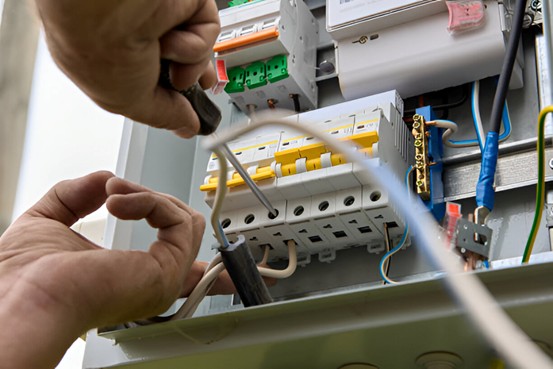
Electrical safety, capacity, and compliance begin at the switchboard. At Involve Electrical, outdated switchboards are one of the most common risks found in homes and commercial properties. As power demands increase and safety standards evolve, an ageing switchboard can quietly place occupants, equipment, and property at risk. Acting early on a switchboard upgrade helps prevent failures, improves electrical reliability, and ensures your system meets current Australian requirements.
Table of Contents
- Key Takeaways
- Why the Switchboard Matters More Than Most People Realise?
- 1. Outdated Ceramic Fuses Increase Fire Risk
- 2. You Don’t Have Safety Switches (RCDs)
- 3. Frequent Tripping or Blown Fuses
- 4. You’re Installing Solar Panels
- 5. Adding an Electric Vehicle (EV) Charger
- 6. Flickering Lights and Power Fluctuations
- 7. Asbestos Panels or Old Meter Boxes
- 8. You’re Renovating or Extending
- 9. Your Switchboard Is Over 20 Years Old
- 10. Increasing Insurance and Compliance Requirements
- Peace of Mind for Your Family
- Signs Your Switchboard Needs Immediate Attention
- What a Modern Switchboard Upgrade Includes
- Conclusion
- FAQs:
Key Takeaways
- Old switchboards increase fire and shock risk
- Modern homes demand higher electrical capacity
- Safety switch compliance is essential
- Solar systems require upgraded infrastructure
Why the Switchboard Matters More Than Most People Realise?
The switchboard controls how electricity enters, distributes, and protects every circuit in your property. When it falls behind modern standards, the entire electrical system becomes vulnerable.
Many older switchboards were never designed to handle:
- High appliance loads
- Solar system integration
- Electric vehicle chargers
- Advanced safety devices
As demand increases, risk follows.
With rising energy demands, rooftop solar installations, home offices and electric vehicle chargers becoming more common, older electrical systems are being pushed beyond what they were originally designed to handle. If your property hasn’t had a switchboard upgrade in years, you could be facing serious safety risks, not just inconvenience.
Here are the critical reasons you should consider a switchboard upgrade now.
1. Outdated Ceramic Fuses Increase Fire Risk
Many older homes still operate with ceramic fuses or rewireable fuse carriers. These systems were common decades ago but lack the advanced protection offered by modern circuit breakers and safety switches.
Old fuse systems:
- Do not trip as quickly as modern breakers
- Can be incorrectly rewired with the wrong fuse wire
- Offer limited protection against electric shock
- Struggle with high electrical loads
Electrical faults are a leading cause of house fires. Modern switchboards are fitted with circuit breakers and Residual Current Devices (RCDs), which shut off power almost instantly when a fault is detected.
If your switchboard still contains ceramic fuses, it’s time to upgrade.
2. You Don’t Have Safety Switches (RCDs)
Residual Current Devices (RCDs), often called safety switches, are designed to protect people from electric shock. They monitor electrical flow and cut power within milliseconds if they detect leakage.
In Australia, safety switches are mandatory on power and lighting circuits in new installations. However, many older homes still lack full RCD protection.
Without safety switches, you are at greater risk of:
- Serious electric shock
- Electrical burns
- Fatal incidents
- Appliance damage
Upgrading your switchboard ensures compliance with modern safety standards and significantly improves household protection.
3. Frequent Tripping or Blown Fuses
If your power trips regularly, it’s not “just one of those things”, it’s a warning sign.
Frequent tripping can indicate:
- Overloaded circuits
- Insufficient capacity
- Faulty wiring
- An ageing switchboard
Homes in warmer regions often run heavy air conditioning loads during summer. Older switchboards were not built to handle today’s cooling systems, plus multiple modern appliances running at once.
If your breakers trip when you use the kettle and toaster together, your switchboard may be struggling.
4. You’re Installing Solar Panels
Australia leads the world in rooftop solar adoption. Suburbs across Adelaide and Gold Coast are filled with solar-powered homes.
However, solar systems require proper integration with your switchboard. In many cases, older switchboards:
- Lack space for additional breakers
- Do not meet current compliance standards
- Cannot safely accommodate inverter connections
Before installing solar, electricians often recommend upgrading the switchboard to ensure safe and legal operation.
5. Adding an Electric Vehicle (EV) Charger
Electric vehicles are becoming increasingly common. Installing a home EV charger significantly increases electrical demand.
EV chargers require:
- Dedicated circuits
- Higher amperage capacity
- Proper safety switch protection
An outdated switchboard may not support the additional load. Attempting to install a charger without upgrading can lead to overheating or persistent tripping.
Future-proofing your home now saves costly adjustments later.
6. Flickering Lights and Power Fluctuations
Lights that flicker or dim when appliances start are often dismissed as minor issues. In reality, they can signal underlying electrical instability.
Possible causes include:
- Loose internal connections
- Insufficient circuit capacity
- Voltage imbalance
- Worn-out components
In expanding suburbs around Canberra, growing households with multiple devices can expose weaknesses in older electrical systems. A modern switchboard provides stable distribution and better circuit separation, reducing these issues.
7. Asbestos Panels or Old Meter Boxes
Homes built before the 1980s may contain asbestos-backed switchboards. These panels pose health risks if disturbed and are not compliant with modern safety expectations.
If your property has:
- An asbestos meter panel
- Rusted metal enclosures
- Exposed wiring
- Overcrowded circuits
An upgrade is strongly recommended. Licensed electricians can safely remove and replace outdated boards with compliant enclosures.
8. You’re Renovating or Extending
Renovations are one of the most common triggers for switchboard upgrades.
When adding:
- A new kitchen
- Extra bedrooms
- Outdoor entertaining areas
- A pool or spa
- Ducted air conditioning
You’ll likely need additional circuits and increased capacity.
Trying to connect new wiring to an already overloaded switchboard is unsafe and often illegal under Australian standards. Upgrading during renovations is more cost-effective than retrofitting later.
9. Your Switchboard Is Over 20 Years Old
Even if it appears functional, an ageing switchboard may not meet current electrical standards.
Signs your board is outdated include:
- No RCD protection on all circuits
- Limited circuit breakers
- Discoloured wiring
- Buzzing sounds
- Heat coming from the panel
Electrical technology has advanced significantly. Modern switchboards offer improved fault detection, faster disconnection times and clearer labelling.
Proactive replacement is far safer than waiting for failure.
10. Increasing Insurance and Compliance Requirements
Insurance companies are paying closer attention to electrical compliance. Non-compliant or outdated systems can complicate claims in the event of fire or damage.
Upgrading your switchboard:
- Improves compliance with Australian Standards
- Supports safe integration of modern technology
- Enhances resale value
- Reduces liability risk
Buyers are increasingly requesting electrical inspections before purchasing property. An upgraded switchboard adds confidence and appeal.
Peace of Mind for Your Family
Ultimately, a switchboard upgrade isn’t just about handling more appliances, it’s about safety.
Modern switchboards provide:
- Full RCD protection
- Individual circuit breakers
- Clear circuit identification
- Improved load distribution
- Enhanced fire prevention
Electricity powers nearly every aspect of modern life. Ensuring your system is safe, compliant and future-ready is one of the most important upgrades you can make to your home.
Signs Your Switchboard Needs Immediate Attention
Some warning signs should not be ignored.
Common indicators include:
- Frequent circuit breaker trips
- Burning smells near the switchboard
- Warm or discoloured components
- Ceramic fuses instead of circuit breakers
- No safety switch installed
If any of these are present, professional assessment is recommended.
What a Modern Switchboard Upgrade Includes
A professional switchboard upgrade is not a simple component swap.
It typically includes:
- Removal of outdated fuses
- Installation of modern circuit breakers
- Full RCD protection
- Clear circuit labelling
- Compliance testing and certification
Each upgrade is tailored to the property’s current and future electrical needs.
Conclusion
Switchboards rarely fail without warning. Delaying upgrades increases safety risk, compliance exposure, and system instability. At Involve Electrical, we provide professional switchboard upgrades designed to meet Australian Standards and modern energy demands. If your property shows signs of electrical strain or outdated protection, contact us today to arrange a qualified assessment and protect your home or business with confidence.
FAQs:
How old is too old for a switchboard?
Switchboards over 25–30 years old often lack modern safety features and should be assessed.
Is a switchboard upgrade mandatory?
Upgrades are required when safety standards are not met or during major electrical changes.
How long does a switchboard upgrade take?
Most residential upgrades are completed within one day.
Will power be off during the upgrade?
Yes. Temporary power interruption is required for safety.
Can I upgrade my switchboard myself?
No. Switchboard work must be completed by a licensed electrician.
Does a switchboard upgrade add property value?
Improved safety and compliance can positively influence buyer confidence.