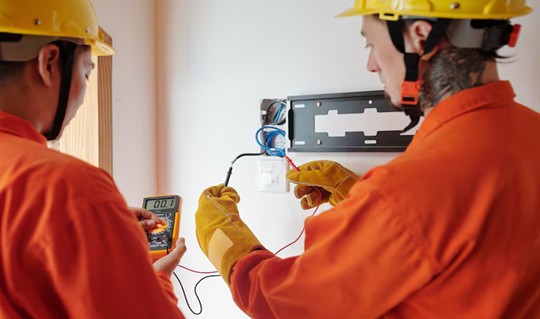
Electrical systems are often trusted without question, yet hidden faults remain one of the most common causes of household damage and fire. At Involve Electrical, safety is viewed as a practical responsibility rather than a reactive task. Regular electrical checks protect property, preserve appliances, and support long-term household reliability. This guide outlines the essential safety inspections every homeowner should complete to maintain compliance, reduce risk, and protect everyday living environments.
Table of Content
- Key Takeaways
- Why Electrical Safety Checks Matter More Than Ever
- Electrical Safety Checks Every Homeowner Should Prioritise
- 1. Switchboard Safety and Circuit Protection
- 2. Safety Switch (RCD) Testing
- 3. Power Point and Outlet Inspection
- 4. Lighting and Fitting Safety
- 5. Earthing and Bonding Integrity
- 6. Appliance and Load Assessment
- 7. Smoke Alarm and Electrical Compliance
- When Professional Inspection Becomes Essential
- Conclusion
- FAQs
Key Takeaways
- Electrical faults often remain hidden until failure occurs
- Safety switches and switchboards require regular testing
- Worn outlets and fittings increase fire risk
- Earthing integrity is critical for shock protection
- Preventive checks reduce long-term repair costs
Why Electrical Safety Checks Matter More Than Ever
Modern homes rely on increasingly complex electrical loads. High-demand appliances, solar systems, EV chargers, and integrated smart home technology place sustained pressure on circuits that were often installed decades ago.
Unchecked electrical systems may lead to:
- Overheating cables concealed behind walls
- Gradual insulation breakdown
- Undetected earthing failures
- Circuit overload during peak usage
Regular safety checks reduce these risks and support long-term electrical reliability.
Electrical Safety Checks Every Homeowner Should Prioritise
Electrical safety checks play a vital role in protecting residential properties from hidden risks and unexpected failures. Routine inspections help identify worn components, outdated systems, and potential fire hazards before escalation occurs. Prioritising electrical safety supports system reliability, compliance with current standards, and a safer living environment for occupants.
1. Switchboard Safety and Circuit Protection
The switchboard functions as the control centre of a home’s electrical system, distributing power safely across all circuits. Older switchboards often lack modern protective devices and may no longer comply with current electrical standards, increasing the risk of faults and electrical failure.
Key checks include:
- Presence of safety switches (RCDs): Safety switches should be installed to protect both power and lighting circuits, reducing the risk of electric shock and fire by disconnecting supply when a fault is detected.
- Clear and accurate circuit labelling: Each circuit should be clearly identified to allow safe isolation during maintenance, fault finding, or emergencies.
- Absence of exposed wiring or corrosion: Wiring, terminals, and connections should be fully enclosed and free from corrosion, as deterioration can lead to overheating or electrical arcing.
- Adequate capacity for current household demand: The switchboard should be capable of supporting modern electrical loads, including high-demand appliances, without frequent tripping or overload.
Safety switches should be tested every six months to confirm correct operation and ensure ongoing protection across the electrical system.
2. Safety Switch (RCD) Testing
Safety switches are designed to detect electrical leakage and disconnect power within milliseconds, significantly reducing the risk of electric shock and fire. Failure of a single RCD can leave one or more circuits operating without protection.
Testing involves:
- Pressing the test button to confirm immediate power isolation: Activating the test button should cause the safety switch to trip instantly, confirming that the device is capable of disconnecting power when a fault is detected.
- Verifying the reset function: After tripping, the safety switch should reset smoothly and restore power without resistance, indicating proper mechanical operation.
- Ensuring coverage across all required circuits: Safety switches should protect all designated power and lighting circuits to ensure consistent protection throughout the electrical system.
Homes without full RCD coverage face a higher risk of electric shock and electrical fires, particularly during appliance faults or moisture exposure.
3. Power Point and Outlet Inspection
Power points are subject to frequent daily use and gradual wear, making these components among the most commonly overlooked during routine electrical checks. Over time, internal connections can loosen or degrade, increasing the risk of electrical faults.
Common warning signs include:
- Warm or discoloured outlets: Heat buildup or visible colour changes around a power point may indicate overloading, loose connections, or internal damage that requires attention.
- Loose fittings: Power points that move within the wall or fail to hold plugs securely can lead to poor contact and electrical arcing.
- Buzzing sounds: Audible noises from an outlet may signal loose wiring or failing internal components and should never be ignored.
- Burnt odours: Unusual smells often indicate overheating or insulation breakdown and require immediate investigation.
Faulty outlets can contribute to appliance damage, power interruptions, and electrical arcing. Installation and spacing requirements under AS/NZS 3000 are designed to reduce the risk of overheating, overloading, and premature equipment failure.
4. Lighting and Fitting Safety
Light fittings conceal electrical connections that can deteriorate over time, particularly in ceiling spaces exposed to heat, dust, and insulation materials. These conditions increase the risk of overheating and wiring damage if fittings are not correctly installed or maintained.
Safety checks focus on:
- Secure mounting: Light fittings should be firmly fixed to prevent movement or strain on wiring connections, reducing the risk of loose terminals and electrical faults.
- Correct lamp wattage: Lamps must match the fitting’s rated wattage to avoid excessive heat generation that can damage wiring and surrounding materials.
- Compliance with insulation clearances: Adequate separation between light fittings and insulation is essential to prevent heat buildup and reduce fire risk, particularly with recessed and downlight installations.
- Absence of heat-related damage: Fittings and surrounding materials should show no signs of discolouration, warping, or deterioration caused by prolonged heat exposure.
Downlights installed without appropriate clearances remain a common compliance issue and should be addressed to maintain electrical safety and regulatory alignment.
5. Earthing and Bonding Integrity
Earthing provides a safe pathway for fault current to travel to ground, helping protective devices operate correctly. When earthing systems are compromised, metal fixtures and appliances may become live without warning, increasing the risk of electric shock.
Essential checks include:
- Proper earth continuity: The earthing system should maintain continuous, low-resistance pathways to ensure fault currents are safely discharged, and protective devices activate as intended.
- Secure bonding to water and gas services: Metallic services such as water and gas pipes must be correctly bonded to prevent potential voltage differences that could create shock hazards.
- No corrosion at earth connections: Earth conductors and connection points should be free from corrosion or damage, as deterioration can weaken the effectiveness of the earthing system.
Earthing faults often present no visible symptoms yet pose a serious risk during appliance failure, moisture exposure, or electrical storms, making regular inspection essential.
6. Appliance and Load Assessment
Household appliances place varying demands on electrical systems, particularly in homes with older wiring. Modern usage patterns, including high-powered and continuously operating devices, can exceed the capacity of existing circuits if not properly assessed.
Assessment includes:
- Load balancing across circuits: Electrical loads should be evenly distributed to prevent individual circuits from becoming overloaded, which can lead to overheating and frequent breaker trips.
- Condition of fixed appliances: Hard-wired appliances should be inspected for signs of wear, damage, or outdated connections that may affect safe operation.
- Suitability of extension lead usage: Excessive or long-term reliance on extension leads may indicate insufficient outlet capacity and can increase the risk of overheating and power loss.
- Evidence of repeated breaker trips: Frequent tripping may signal overloaded circuits, faulty appliances, or wiring issues that require further investigation.
Appliance safety recalls highlight the importance of ensuring electrical compatibility and sufficient system capacity to support safe and reliable operation.
7. Smoke Alarm and Electrical Compliance
Hard-wired smoke alarms depend on a continuous electrical supply and correct installation to operate reliably at all times. Any disruption to power or incorrect configuration can compromise early warning capability.
Checks include:
- Power supply integrity: Smoke alarms should maintain a stable electrical connection to ensure uninterrupted operation, even during normal household power usage.
- Battery backup condition: Backup batteries must be in good working condition to support alarm operation during power outages or electrical faults.
- Correct interconnection between alarms: Interconnected smoke alarms should activate simultaneously, providing early warning throughout the property when smoke is detected in any area.
- Compliance with placement requirements: Smoke alarms must be installed in approved locations and in sufficient numbers to meet current residential safety regulations.
Smoke alarm regulations vary by state and must align with current residential legislation to ensure effective fire protection and compliance.
When Professional Inspection Becomes Essential
Visual checks can help identify obvious electrical issues, but licensed inspections are required to uncover faults that are not visible during routine observation or basic testing.
Situations requiring professional assessment include:
- Renovations or extensions: Electrical systems often need to be reviewed or upgraded to safely support new layouts, additional circuits, and increased power demand.
- Frequent circuit breaker trips: Repeated tripping may indicate overloaded circuits, faulty wiring, or appliance-related issues that require detailed electrical testing.
- Property purchase or sale: Electrical inspections help identify compliance issues early, supporting informed decisions and reducing the risk of delays or disputes during settlement.
- Installation of solar systems or EV charging equipment: High-load installations place additional demand on existing electrical infrastructure and must be assessed to ensure compatibility, safety, and compliance.
Conclusion
Electrical safety is not maintained through assumption or delay. Structured inspections protect households from unseen risks while ensuring systems remain compliant and dependable. At Involve Electrical, safety checks form part of a broader range of professional electrical services delivered with technical precision and clear accountability. Homeowners seeking dependable electrical assessments and long-term peace of mind are encouraged to contact us to arrange a professional safety inspection tailored to the property’s needs.
FAQs
How often should electrical safety checks be completed?
Electrical safety inspections are generally recommended every five years, or sooner for older properties, renovations, or significant electrical upgrades.
Are safety switches mandatory in all homes?
In most Australian states, safety switches are required on power and lighting circuits, with stricter requirements applying to rental properties.
Can faulty wiring exist without visible signs?
Yes. Electrical wiring faults frequently develop behind walls and ceilings and may remain undetected until a failure occurs.
Do power boards increase electrical risk?
Overloaded power boards can overheat and present a fire risk. Permanent outlet upgrades are a safer alternative for ongoing electrical demand.
Is testing safety switches safe for homeowners?
Using the test button on a safety switch is generally safe, while professional testing confirms correct operation under load.
Should electrical checks be completed before selling a property?
Electrical compliance inspections are advisable before sale, as early identification of issues helps reduce the risk of settlement delays or disputes.